Launching My Portfolio: 15 Years of Building Systems
Why I'm documenting 15 years of methodology now. This portfolio isn't a job application or a consultant pitch. It's knowledge sharing - and a record of how systems thinking compounds across time and domain.
When you've spent 15 years building systems in relative quiet-working nights while others slept, solving problems that nobody asked you to solve, documenting methodologies no one told you to document-the natural instinct is to keep doing exactly that.
Stay invisible. Let the work speak.
And then you realize: the work speaking only reaches the people who walk past your desk.
This portfolio is my attempt to explain what I've learned.
Why Now
I didn't build this portfolio because I'm unhappy at a global medical aesthetics and technology company. I'm not. I've been here since May 2020, and I wake up most days genuinely interested in the problems we're solving. The automation we've built, the processes we've standardized across APAC, the systems that just work quietly in the background-that's exactly the kind of work I want to do.
I didn't build this because I'm desperate for consulting clients. I'm not. I'm financially independent-have been since age 21, when game automation and hardware reconditioning taught me something fundamental about money and systems. That independence means I can say no. It means I only work on problems that genuinely interest me. It means I'm selective.
I built this because 15 years is long enough to see the patterns clearly.
I built this because the same systems thinking that worked at age 18 in a polytechnic library-automating game economies for SGD 2K/month-still works at 33 in enterprise operations-recovering 250+ hours annually for senior management. And that constancy across scales, across domains, across 15 years... that's worth sharing.
What This Portfolio Is
What it's not: A resume. A job application. A marketing pitch. An escape plan from corporate work.
What it is: Documentation of a 15-year methodology.
When I look back at the game automation, the hardware reconditioning, the e-commerce launch, the COVID pivot (SGD 500K recovered in months), the 70% efficiency gains at a global medical aesthetics and technology company, the mobile SAP integration-I see the same core approach repeating. The same philosophy. The same question I ask at every scale: What's the minimal system required to achieve this outcome?
That question is worth documenting.
Most of what I've done isn't secret. It's not proprietary. It's not even that complicated. The real barrier isn't figuring out the approach-it's the discipline to stay focused on systems thinking when everything around you pushes toward complexity, toward features, toward expensive solutions that feel safer because they're expensive.
This portfolio documents the approach itself, with enough specificity that you could replicate the methodology across different domains. Not step-by-step (every situation is unique), but principles-level: How do you think about automation? How do you build things that scale? How do you achieve impact with minimal resources?
What I'm Actually Looking For
Full transparency: I'm open to consulting engagements. The right kind.
Not the "I need someone to implement a major software system" kind. Not the "we have unlimited budget, just make it fancy" kind. Not the "implement this approach I read about" kind.
The kind where you have a real process problem. Where you've tried conventional approaches and they haven't worked. Where budget is tight but the problem is serious. Where you need systems thinking more than you need expensive consultants.
The kind where I'll spend two weeks understanding your operation, propose a solution using what you already have, build it in a way your team can maintain, and then let it run quietly while you move on to the next problem.
I'm selective because I can be. Financial independence buys you that luxury.
The Irony of a Quiet Engineer Going Public
There's real irony in this. I built my whole career on staying invisible, delivering results without drama, letting the work speak. I genuinely don't like attention. I don't go to conferences and speak. I don't build personal brands. I don't network strategically.
I do my duty and go home satisfied.
So writing about myself, creating a public portfolio, positioning myself as some kind of consultant-this isn't natural. It's actually uncomfortable. But I've learned something from 15 years of building systems: sometimes the system requires visibility to work at all.
Staying completely invisible means ideas that could help others stay locked in corporate silos. It means the methodology compounds for one organization instead of many. It means I'm leaving value on the table.
This portfolio is my attempt to make the tradeoff worthwhile: document thoroughly enough that others can learn from it, stay humble enough that I don't create a false impression, keep enough separation that I can go back to being invisible whenever I want.
What This Means for My Current Work
Nothing changes.
I'm still at a global medical aesthetics and technology company. I'm still focused on what I do there. The portfolio doesn't make me less committed to the work-if anything, it makes me more clear about why I do it. I'm not trying to escape. I'm not building this as a lifeboat. I'm building it as documentation.
Think of it this way: If someone spent 15 years developing a methodology that works, and they documented it clearly, and made it available to others, would you think they were distracted from their main job? Or would you think they were mature enough in their mastery to be able to explain it?
I want to be the second kind of engineer.
The Invitation
If you've made it this far, you probably understand what I'm trying to do.
This isn't a sales page. I'm not trying to convince you of anything. I'm not positioning myself as better than other consultants or more qualified than your current team. I'm offering documentation of what actually worked, across multiple domains, at multiple scales, for 15 years.
Take what's useful. Ignore the rest.
If you see something in here that matches a real problem you're facing, let's talk. Not about hiring me, not yet-just about understanding the problem better. Understanding whether my approach would even be a fit. Whether I'm the kind of problem-solver you need.
And if this portfolio just helps you think differently about automation or systems design or resource constraints, that's enough. That was actually the point.
The best work I've ever done got less attention because it worked so well nobody noticed it was there. That seems like a strange business model for a consultant.
But maybe that's exactly the kind of consultant you need.
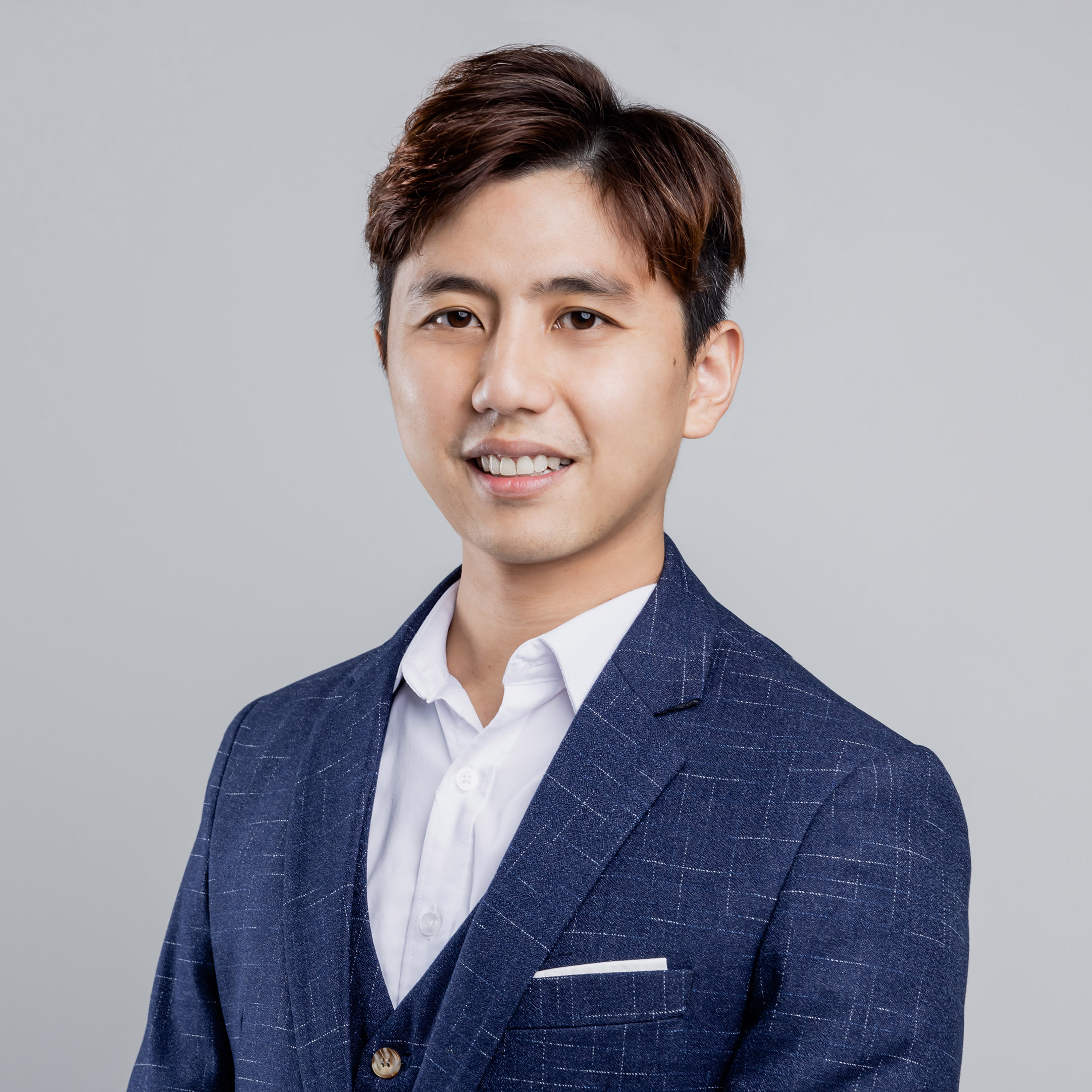
Shi Jun
Senior Regional Technical Operation and Quality Engineer, Medical Technology / Pharma Industry. Building automated systems since 2008. Philosophy: "Using less resource and achieve big time."